Until the mid-nineteenth century, all colors worn by humanity came directly from nature. Dyers were part chemists, part botanists, extracting brilliant pigments from the roots, barks, leaves, and fruits of the earth. Today, natural dyeing is a rare and highly skilled alchemy practiced by only a handful of heritage workshops.
Synthetic chemical dyes are cheap, consistent, and fast. But they are also highly toxic, polluting rivers and stripping textiles of their organic soul. Natural dyes, by contrast, are completely bio-degradable, non-allergenic, and possess a visual depth that synthetics can never match.
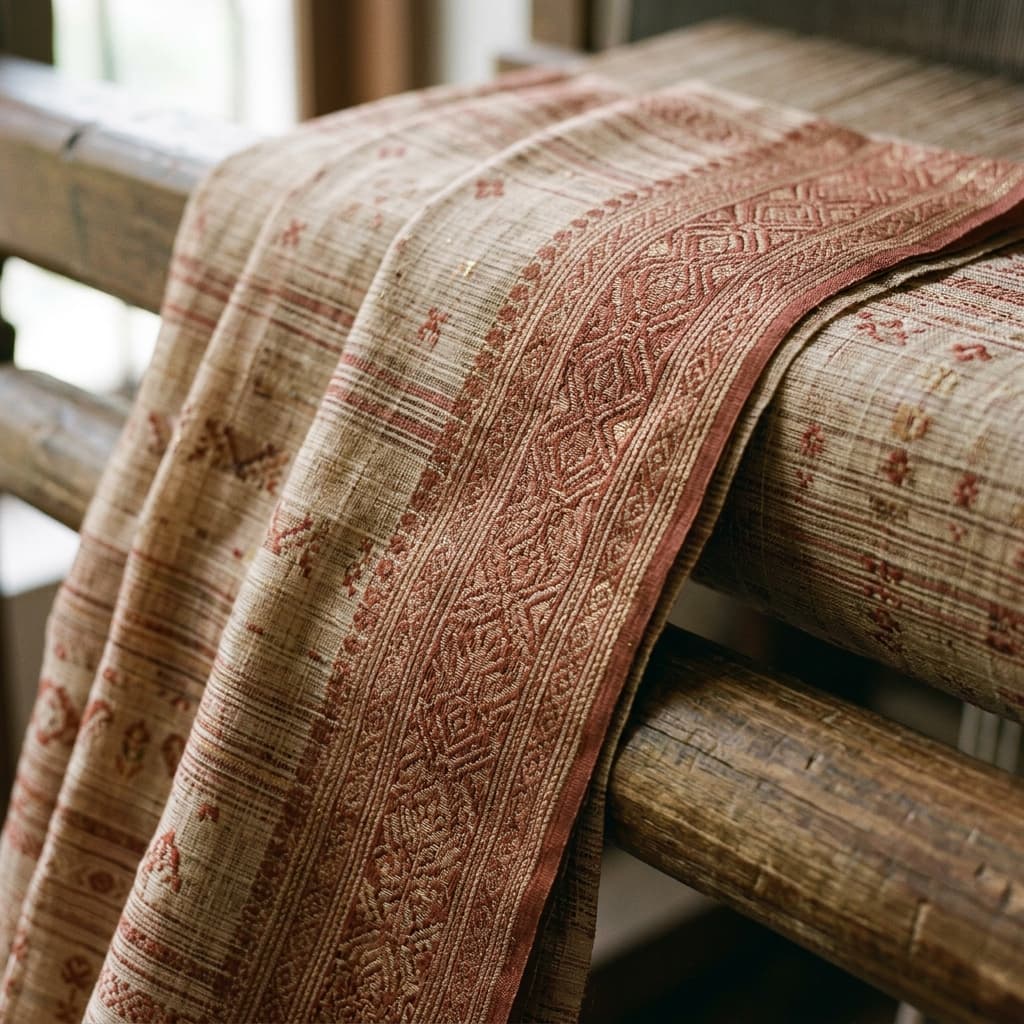
To extract indigo, dyers must ferment the leaves of the Indigofera plant in giant, oxygen-free underground vats, maintaining a delicate pH balance. To get a warm, earthy red, they boil the roots of the madder plant. Turmeric yields golden yellows, while pomegranate rind creates deep, sophisticated khakis and ochres.
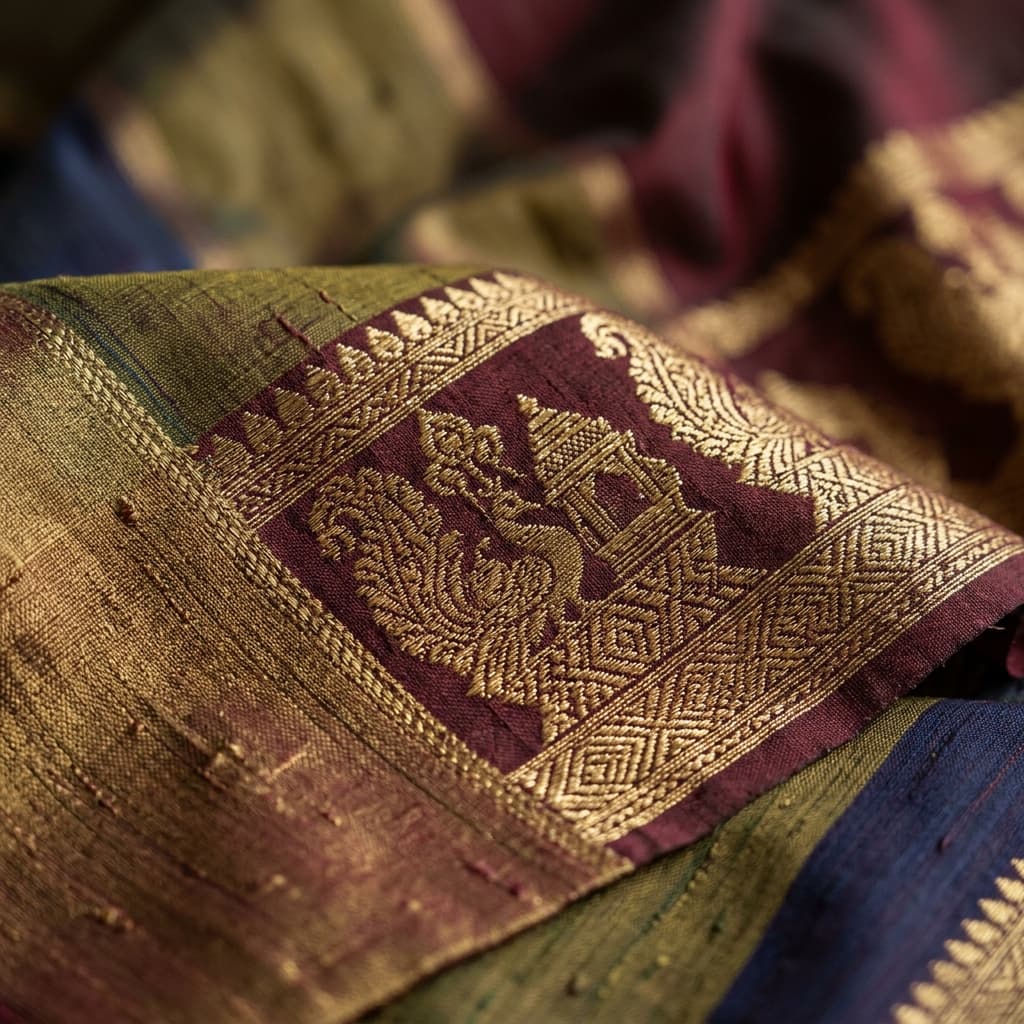
The result is a palette of colors that are harmonized by nature. A naturally dyed saree has a soft, glowing vibration. The color changes subtly in sunlight, developing an organic depth that lives and breathes with the textile. It is fashion that is completely in harmony with the planet.
"Natural dyes do not yield flat, mechanical colors. They yield living, vibrating shades that respond dynamically to light, humidity, and wear."